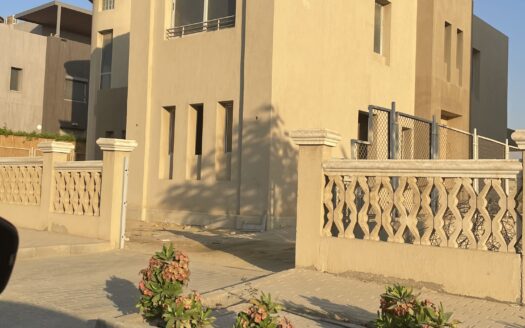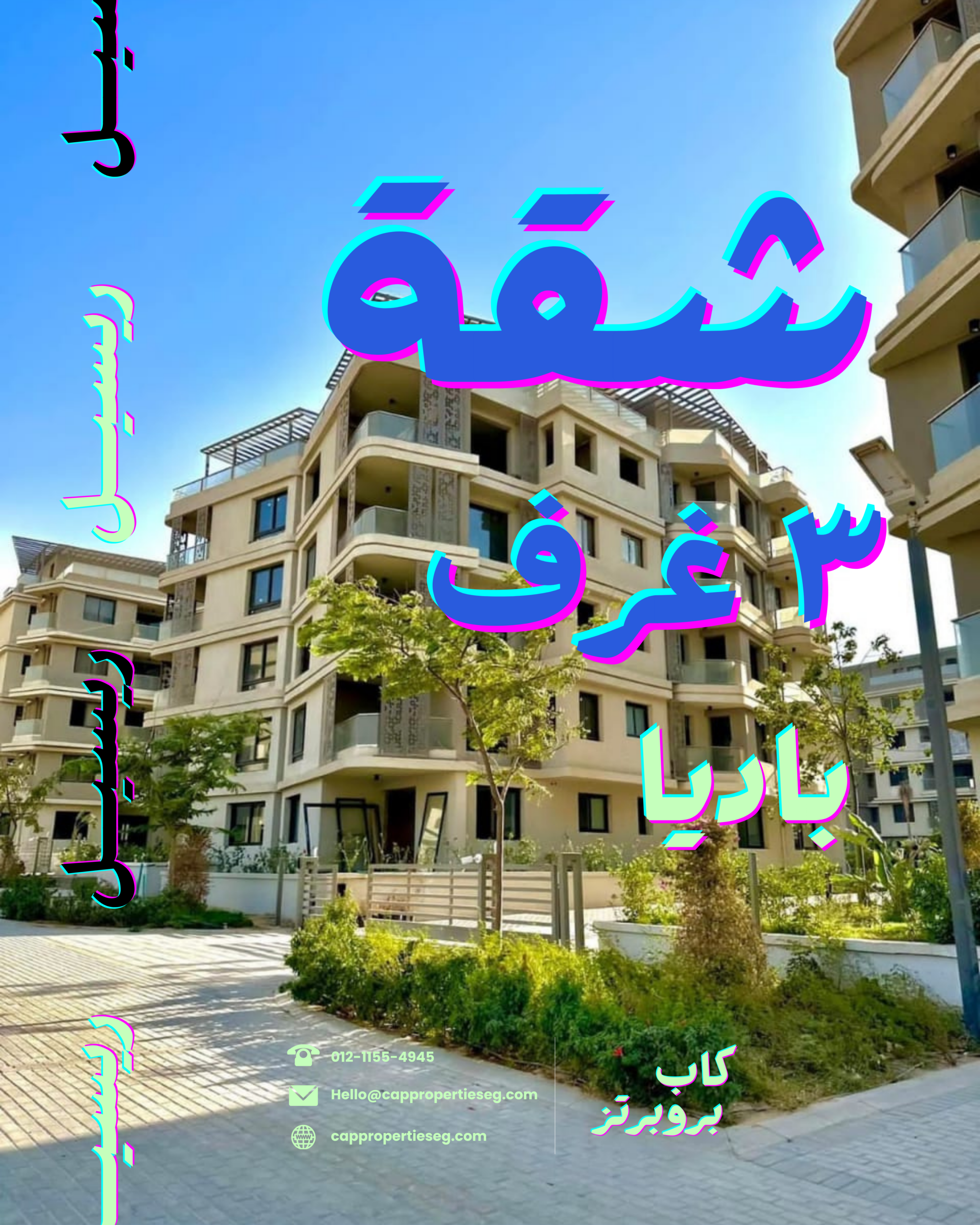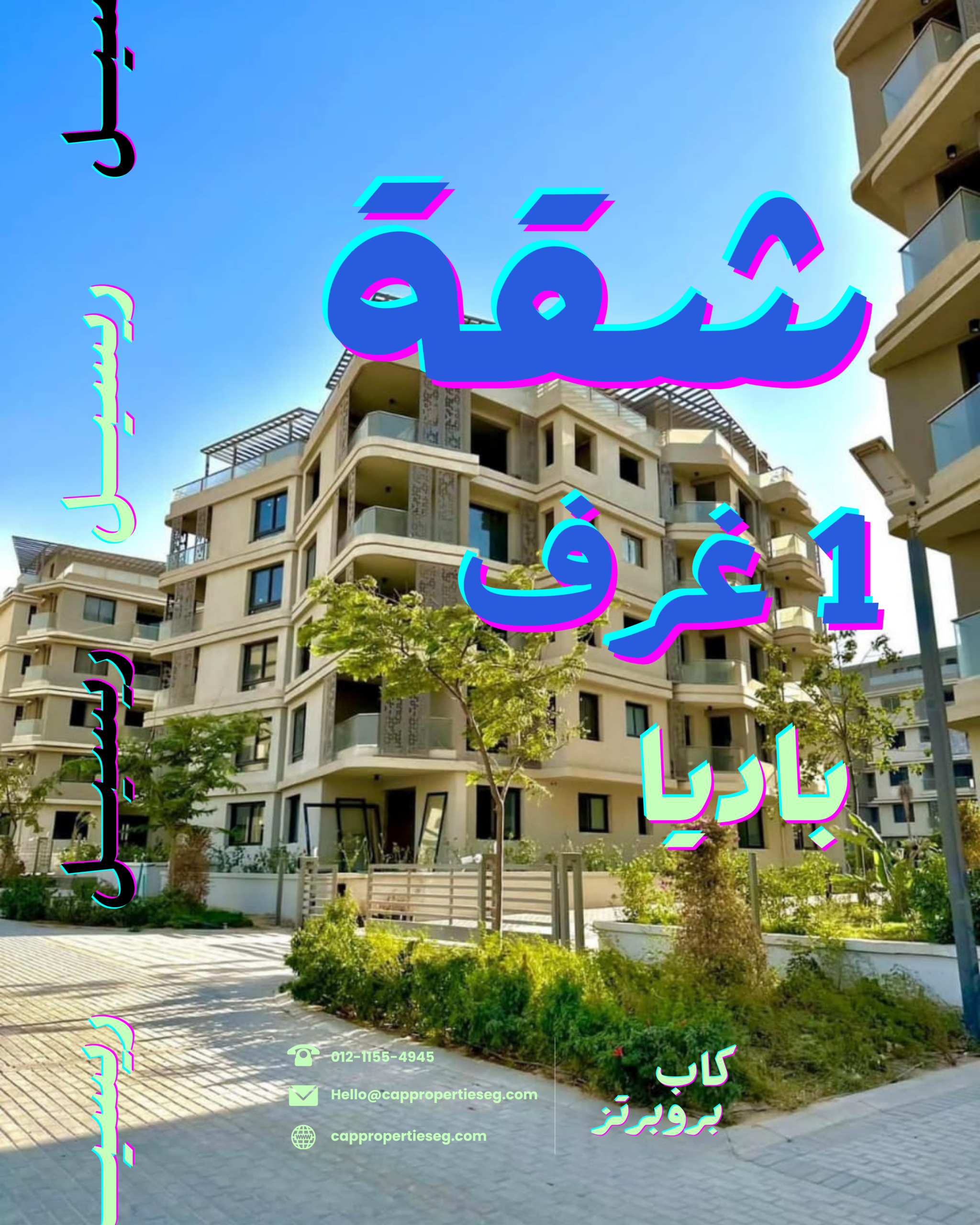
The Future of Urban Living at Badya Palm Hills
Badya Palm Hills can be seen as more than just a real estate development; it can also be viewed as a case study in the future of urban living in Egypt. As cities grow, populations expand, and lifestyle expectations become more sophisticated, developers are under increasing pressure to create communities that are smarter, healthier, more organized, and more adaptable. Badya reflects this changing reality by presenting a model that goes beyond conventional housing and moves toward a more complete vision of city life.
The future of urban living is closely tied to integration. People no longer want to live in isolated residential enclaves where daily essentials require long trips and time-consuming commutes. Instead, the modern urban resident values proximity, accessibility, and flexibility. Communities of the future are expected to blend residential, commercial, educational, recreational, and wellness functions into one coherent system. Badya’s concept appears to align with this direction by creating an environment where multiple dimensions of everyday life are brought together.
Another defining feature of future urban living is human-centered design. This means planning cities around the experience of the people who use them, rather than focusing only on density or land sales. Walkability, public spaces, community interaction, greenery, and ease of movement all become essential parts of good planning. A city that works well is one where residents can enjoy both private comfort and shared social life. Badya’s planning philosophy appears to embrace these principles by emphasizing open spaces, lifestyle amenities, and a more holistic residential experience.
Technology will also shape the cities of tomorrow, and developments that prepare for this shift will likely remain more competitive over time. Smart infrastructure, digital services, security systems, and efficient resource management are becoming increasingly important. Residents expect smoother operations, better connectivity, and more responsive service environments. Projects like Badya gain significance because they reflect an understanding that modern living is no longer purely physical—it is also digital, connected, and system-driven.
Environmental responsibility is another major part of the future. Urban communities must respond to concerns about resource efficiency, climate resilience, and quality of life. This means more than planting trees; it involves building in ways that reduce waste, improve livability, and support healthier relationships between people and their surroundings. Developments that incorporate sustainability into their design and operations will likely be better positioned to meet future market expectations. Badya’s identity as a forward-looking project gives it relevance in this conversation.
Social structure matters as well. A successful city is not only functional; it is also socially meaningful. People want neighborhoods where they can build routines, relationships, and a sense of belonging. Developments that include family-friendly features, public gathering areas, and community-building amenities are often better at creating this emotional connection. In the long term, the strength of a project lies not just in its buildings, but in the quality of life it enables.
For Egypt specifically, projects like Badya may represent an important stage in the evolution of urban development. As the country continues to expand into new cities and growth corridors, there is increasing demand for large-scale, well-planned communities that can absorb population growth while offering better standards of living. Badya reflects this ambition by positioning itself as part of a broader movement toward modern urban transformation.
In conclusion, Badya Palm Hills offers a strong example of how the future of urban living might take shape in Egypt. Through integrated planning, lifestyle-centered design, sustainability, technological relevance, and community-minded development, it captures many of the qualities that modern residents now seek. Whether viewed as a home, an investment, or an urban model, Badya represents a forward-looking vision of what residential life can become in the years ahead.