
Resale Buyer’s Checklist for Palm Hills Compounds in West Cairo: What to Verify Before You Sign
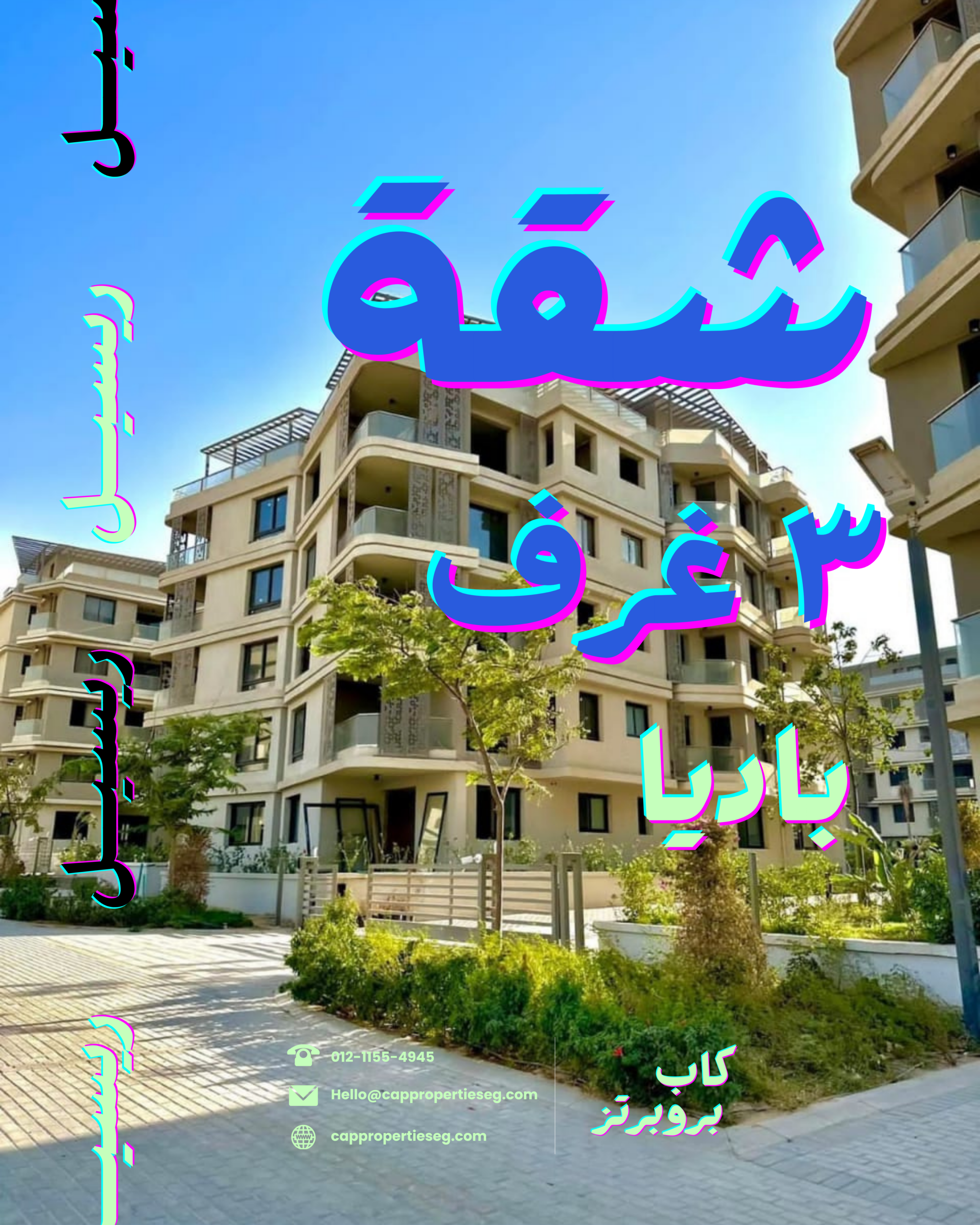
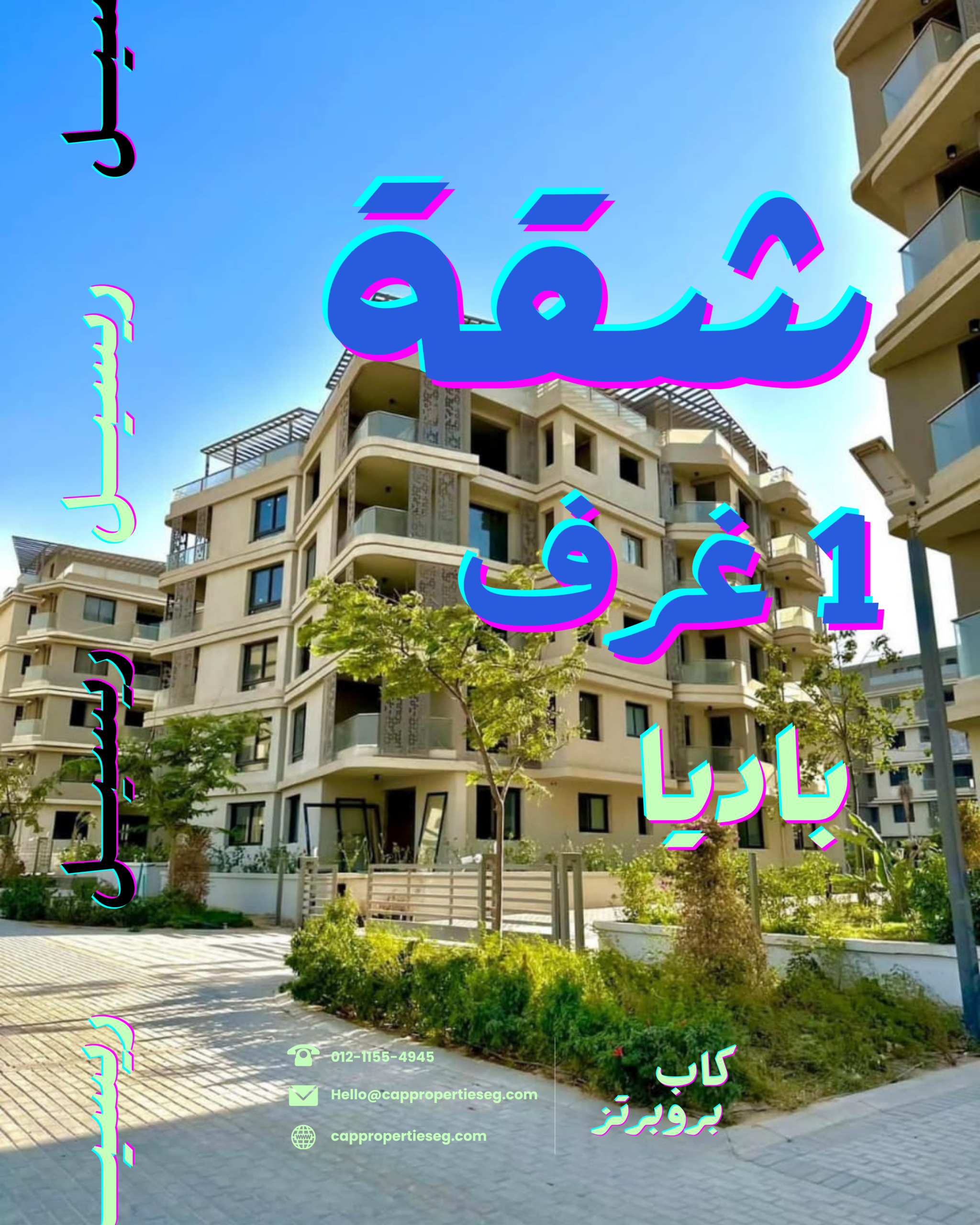
Buying resale in a Palm Hills compound like Badya, The Crown, Golf Extension, Bamboo, Palm Parks, or WoodVille skips the years-long installment schedule of a primary sale, but it shifts the paperwork burden onto you. A resale deal moves through the developer’s transfer department and, eventually, Egypt’s official property registration system, and skipping a step can leave you holding a unit with an unclear title or unpaid service charges attached. Here is the checklist CAP Properties walks every resale buyer through before a contract gets signed in any of these 6th of October compounds.
Verify the Seller’s Title Chain
Ask for the original reservation or sale contract between the seller and Palm Hills Developments, plus any prior assignment agreements if the unit has already changed hands once. The unit number, floor, building, and project name should match exactly across every document — a mismatch is one of the most common red flags in resale deals across these West Cairo compounds. If the seller cannot produce the original developer contract, treat that as a stop sign until it is resolved.
Confirm Registration Status Under Egyptian Law
Most units in newer Palm Hills compounds are sold under a contract of sale rather than a fully registered title deed, since formal registration (tasgeel) at the Real Estate Publicity Department under Law No. 114 of 1946 can take years to complete for large multi-phase developments. That is normal, but the contract should still be authenticated by a notary public, since notarization is what makes the sale enforceable ahead of final registration. Ask your lawyer whether the specific compound has an active registration track, and if not, go in understanding you are buying the contractual right to the unit rather than a registered deed.
Check Outstanding Payments and Service Charges
Before transferring any money, get written confirmation from the developer’s customer service or sales office that the seller’s installment plan is fully paid, or that you are formally assuming the remaining balance, and that there are no overdue maintenance or club fees attached to the unit. These compounds typically bill maintenance and club access separately from the unit price, and unpaid balances can follow the unit rather than the previous owner. Our Badya Palm Hills price and payment plan guide breaks down how these figures are typically structured.
Inspect the Unit and Request Handover Proof
If the unit has already been delivered, request the original handover certificate from the seller, along with proof that utilities are connected and that any snagging issues from the original handover were resolved. For units still under construction, ask the developer directly for the current delivery timeline rather than relying on the seller’s estimate — schedules on large multi-phase compounds do shift, as we’ve tracked in our Badya Palm Hills delivery timeline update.
Use a Lawyer for the Transfer Agreement
A resale transfer in Palm Hills compounds is typically formalized through an assignment agreement between buyer, seller, and developer, plus a power of attorney process if either party cannot attend in person. Registration fees, when a unit does reach final tasgeel, generally run in the 2 to 3 percent range of the registered property value, on top of any developer transfer fee. Have a lawyer review the assignment agreement itself, not just the original developer contract, since resale-specific terms are where buyers most often get caught off guard.
Buying Through CAP Properties
CAP Properties handles resale transfers across Badya, The Crown, Golf Extension, Bamboo, Palm Parks, and WoodVille, and we run this exact checklist on every unit we list. Browse current listings on our Badya Palm Hills, The Crown, Golf Extension, Bamboo, Palm Parks, and WoodVille area pages. Call us at 01211554945 or reach out through our contact page and we’ll walk your specific unit through this checklist before you sign anything.


Pingback:Mountain View iCity October Price Guide 2026: Payment Plans & Resale Comparison - CAP Properties
Pingback:Mortgage & Financing Guide for Palm Hills Resale Buyers in West Cairo (2026) - CAP Properties
Pingback:Financing a Resale Palm Hills Purchase: What Egyptian Banks Actually Offer - CAP Properties