Badya Palm Hills vs Traditional Compounds
The Egyptian real estate market has long been shaped by residential compounds that offer gated living, security, and a range of amenities. However, projects like Badya Palm Hills represent a new generation of development that goes beyond the traditional compound model. Comparing Badya to older or more conventional residential communities highlights the changes taking place in how people think about housing, lifestyle, and urban planning in Egypt.
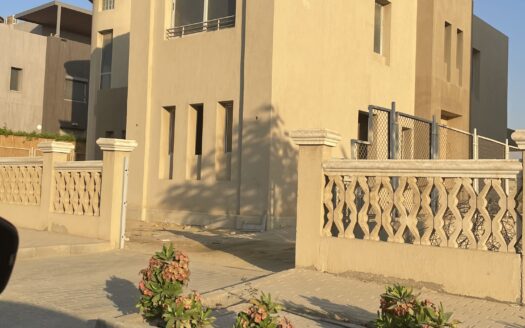
Traditional compounds often focus primarily on providing homes in a controlled environment. Their core advantages usually include security, organized streets, and some shared amenities such as green areas or club facilities. While these features remain valuable, many older projects were not necessarily planned as fully integrated cities. They might provide a good residential setting, but residents often still need to travel outside the compound for schools, healthcare, shopping, workspaces, and broader lifestyle needs.
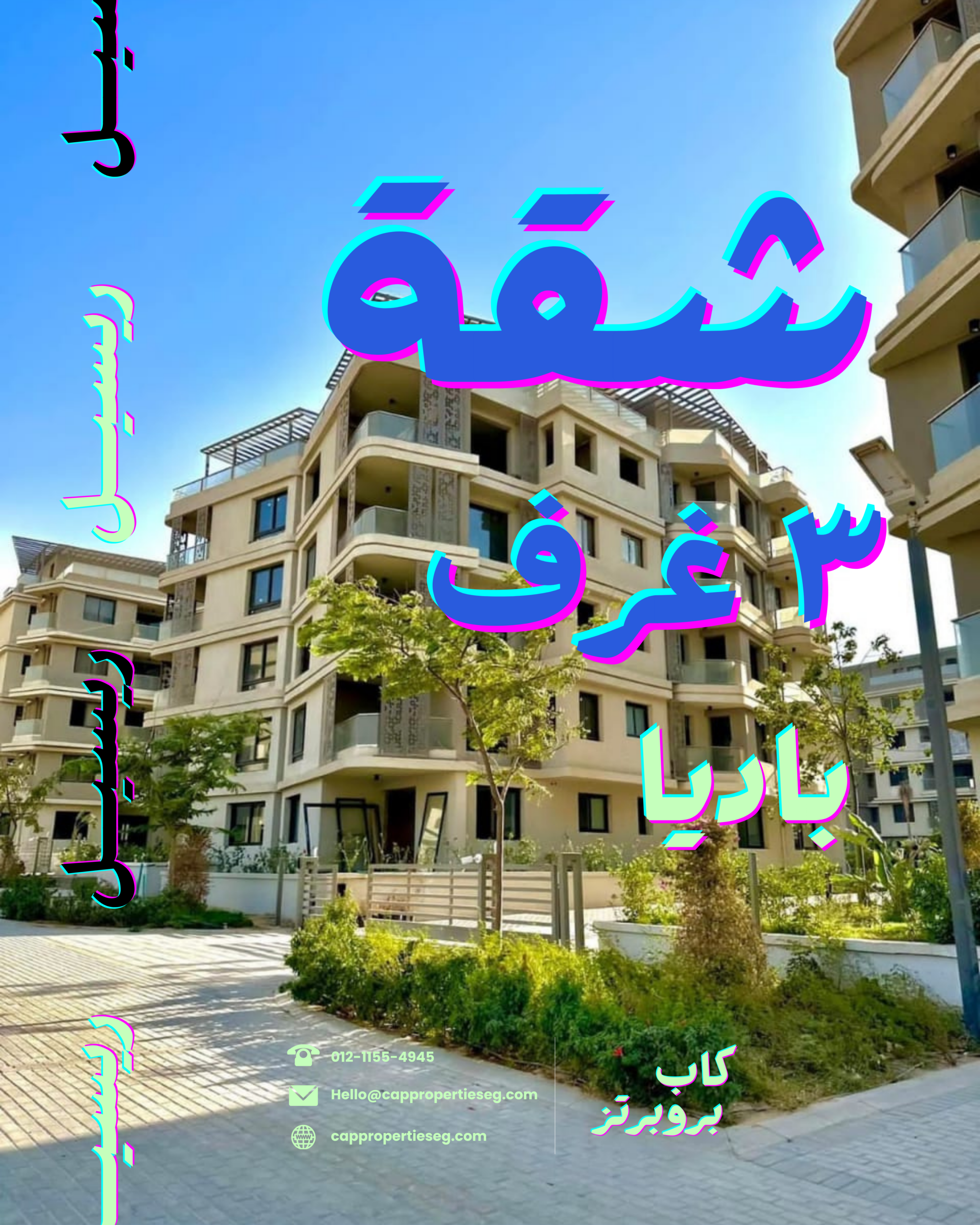
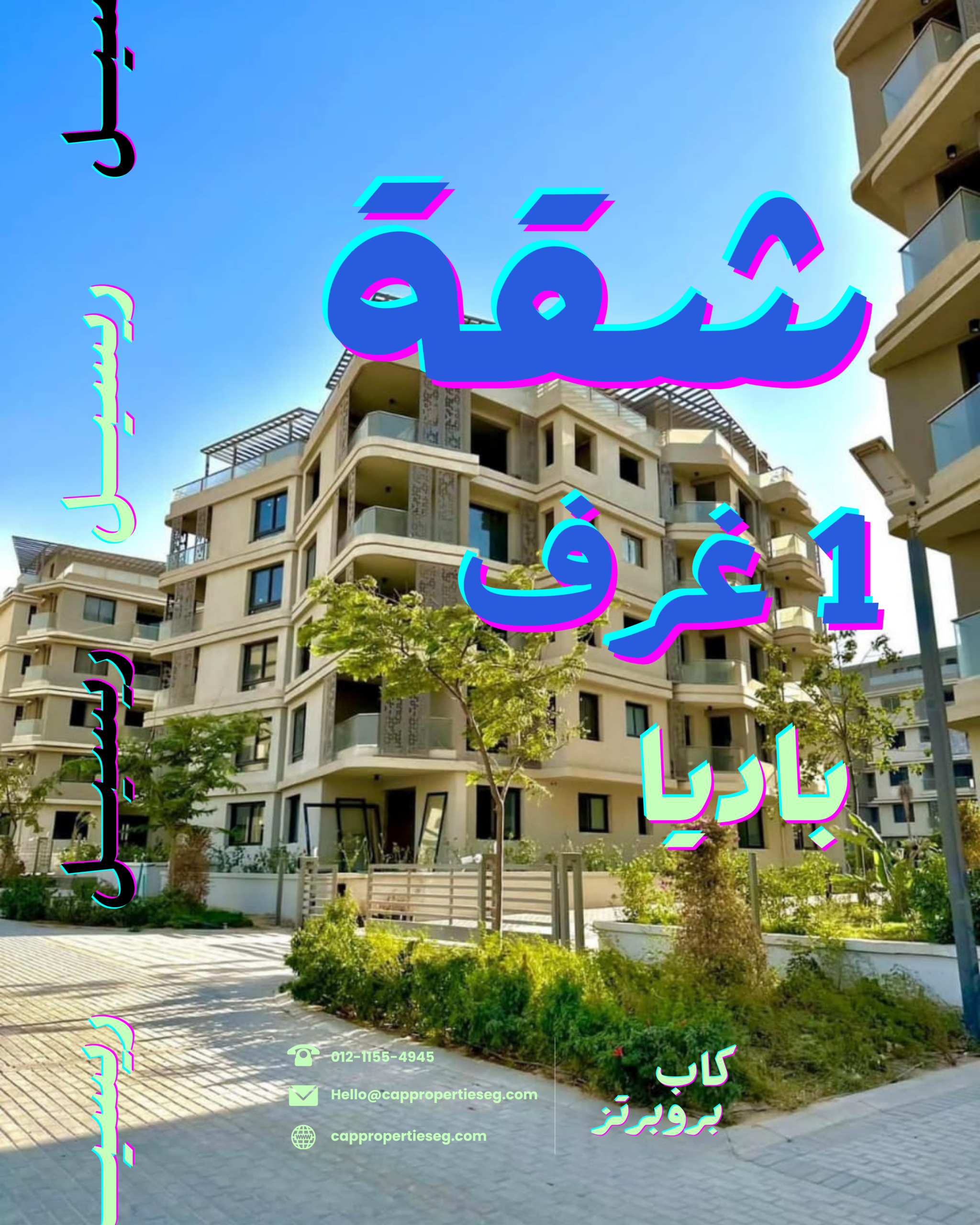
Badya, by contrast, is positioned more as a complete urban destination. This is a major difference. Instead of being just a place to sleep and return to after work, it aims to provide a fuller daily ecosystem. This means integrating residential life with services, recreation, commercial areas, and community spaces in one master plan. The result is a more self-contained environment that can improve convenience and reduce the need for constant movement outside the development.
Another difference lies in scale and planning philosophy. Traditional compounds may be smaller and more limited in scope, whereas a project like Badya is designed with a city-building mindset. This affects everything from land distribution and road networks to the inclusion of mixed-use zones and pedestrian circulation. Large-scale master planning allows for more layered urban experiences and can create a stronger identity over time if executed well.
Lifestyle expectations have also evolved. Modern buyers are more aware of concepts like sustainability, smart infrastructure, wellness-oriented design, and community engagement. Traditional compounds were not always built around these priorities. In contrast, new-generation developments often market themselves around future-ready living, open space quality, health, and innovation. Badya fits within this newer category by emphasizing a broader and more contemporary view of what residential life should include.
Architectural and residential diversity can also differ. Some conventional compounds may offer a narrower range of unit types or repeat similar layouts across the development. A project like Badya, with a variety of apartments, townhouses, and villas, can attract a broader buyer base and create more socially diverse communities. This mix can make the project more adaptable and lively, especially over the long term.
From an investment standpoint, new-generation integrated communities may offer stronger branding and greater market momentum, especially if located in high-growth areas like West Cairo. Traditional compounds with established occupancy can still be valuable, especially if they have a strong reputation and mature services, but newer projects sometimes generate more excitement because they promise future appreciation tied to scale, concept, and urban evolution.
That said, some buyers may still prefer traditional compounds for reasons such as immediate delivery, established communities, or a quieter, more familiar living environment. The choice often depends on lifestyle preferences and investment goals. However, for buyers looking for a modern, comprehensive, and future-oriented development, Badya presents a clear alternative to the more conventional residential model.
In conclusion, comparing Badya Palm Hills to traditional compounds reveals how Egypt’s real estate market is evolving. While conventional gated communities still serve an important role, Badya reflects a shift toward integrated city living, broader amenities, sustainability, and long-term urban planning. It is not simply a newer compound—it is part of a wider transformation in how residential communities are being imagined and delivered.
CAP PROPERTIES
Interested in a property in West Cairo?
Browse our resale listings or speak directly with our team — we will find the right unit for your budget.
G4003 Courtyard Mall, El Sheikh Zayed | 01211554945